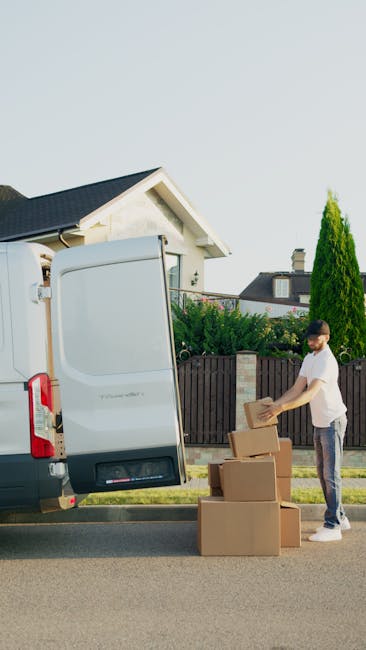
Woking GU21 man and van tips for tight access homes
If you are moving in Woking GU21 and your home has a narrow driveway, a steep path, a shared entrance, or the sort of parking situation that makes everyone sigh a little, you are not alone. Tight-access moves are common, and they need a different approach from a straightforward kerbside load. The good news? With the right planning, a man and van service can handle a surprising amount without drama, damage, or frantic shuffling at the last minute.
This guide pulls together practical, real-world Woking GU21 man and van tips for tight access homes so you can prepare properly, reduce stress, and make the move faster. We will cover access checks, parking, packing, safety, route planning, and when it makes sense to choose a larger or specialist option. Truth be told, a lot of moving headaches come from one thing: people underestimating the access. Let's fix that before moving day.
Table of Contents
- Why tight access planning matters
- How a man and van move works in tight access homes
- Key benefits and practical advantages
- Who this is for and when it makes sense
- Step-by-step guidance
- Expert tips for better results
- Common mistakes to avoid
- Tools, resources and recommendations
- Law, compliance, standards and best practice
- Options, methods and comparison table
- Case study or real-world example
- Practical checklist
- Conclusion
- Frequently asked questions
Why Woking GU21 man and van tips for tight access homes Matters
Tight access changes almost everything about a move. It affects how long loading takes, where the vehicle can stop, how many trips are needed, and how much physical carrying is involved. In Woking GU21, that might mean a terraced street with limited parking, a maisonette above a shared path, a converted property with awkward corners, or a modern development where access is technically possible but only if the van fits the parking layout just right.
When access is tight, the margin for error gets very small. A box that would normally be fine can become awkward if it needs to be carried across gravel, down steps, or through a narrow hallway. A sofa that looks manageable on paper might need to be measured three times before anyone gets it round the bend. And if a driver can't park close enough, the time and labour add up quickly.
That is why planning matters more than brute force. A good move is not the one that looks heroic. It is the one that stays calm. If your home move also involves packing help, it can be worth looking at proper packing and box support so the load is tidy, stackable, and easier to carry through narrow spaces.
Expert summary: The less access you have, the more valuable preparation becomes. Measure, photograph, clear, and communicate early. That simple habit prevents a lot of avoidable delays.
How Woking GU21 man and van tips for tight access homes Works
A man and van move is usually the most flexible type of local removal service. One or two movers arrive with a suitable van, load the items, transport them, and unload at the destination. In a tight-access home, the process becomes a bit more strategic. Instead of assuming the vehicle can pull right outside the door, the team works around the access constraints and plans the load order, carry distance, and parking position in advance.
In practical terms, it usually works like this:
- Initial access check: You describe the property, parking, stairs, path width, gate access, and any awkward corners.
- Vehicle choice: The mover decides whether a compact van, standard removal van, or larger vehicle is appropriate.
- Load planning: Bulky items are placed in the van first or last depending on the unloading route and destination layout.
- Carry strategy: The team decides whether items need to be moved by hand, via trolleys, or in smaller sections.
- Timing and parking: The driver plans around peak traffic, resident parking rules, and any obvious bottlenecks.
That last point is easy to overlook. In a place like Woking, you can lose time very quickly if you hit school-run traffic, narrow estate roads, or a parking bay that is occupied when you arrive. Small detail, big impact.
If your move is likely to be larger than a simple van load, a broader removal services option may be more suitable than a bare-bones load-and-go job. And if you are not sure what size vehicle you need, checking van-based move options can help you match the job to the access.
Key Benefits and Practical Advantages
The main advantage of a man and van service is flexibility, but tight-access homes bring a few extra benefits into focus.
- Smaller vehicle footprint: A van is often easier to position near narrow roads, shared drives, or limited parking zones.
- Lower disruption: Less time blocking the street, less fuss with neighbours, and less risk of awkward parking issues.
- Better for short, awkward carries: If the property entrance is narrow but the item list is modest, a van crew can often manage it neatly.
- More adaptable loading: Loads can be organised around access constraints rather than one rigid removal-truck plan.
- Cost control: For smaller homes or lighter moves, a van solution can avoid paying for space you do not really need.
There is also a psychological benefit, if we are honest. A compact, well-planned move feels calmer. Fewer moving parts. Fewer surprises. You notice the difference immediately when the van can park close enough and the lifting route is clear.
For some homes, especially flats with awkward stairwells, a specialist service such as flat removals may be the better fit. For smaller student moves with tight access and mixed item sizes, student removals can also be a sensible choice.
Who This Is For and When It Makes Sense
This advice is for anyone moving from or into a property where access is not straightforward. That includes first-floor flats, maisonettes, terraced homes with rear access only, homes with steep steps, and properties on narrow roads where stopping outside the front door is wishful thinking.
It especially makes sense if you are:
- moving a small to medium household load;
- transporting furniture that is bulky but not industrial-scale;
- working to a tight timetable;
- moving solo or with limited help;
- trying to avoid unnecessary damage in a narrow hallway or stairwell;
- managing a move where parking is the main headache.
It may also suit you if the property is full of mixed access challenges. For example, a front door that opens onto a busy pavement, then a long corridor, then stairs with a sharp turn. Nice to live in, maybe. A bit annoying to move from? Absolutely.
If the move is larger, involves several heavy items, or needs more than one vehicle-load, you may be better comparing it with house removals or a broader home move service rather than squeezing everything into a single van run.
Step-by-Step Guidance
Here is the practical part. The more precisely you prepare, the less the access problem bites on moving day.
1. Measure the access, not just the furniture
People often measure the sofa and forget the hallway. That is the trap. Measure the door width, stair turns, ceiling height in tight landings, gate openings, and any outside obstacles. If a fridge or wardrobe needs to tilt, factor that in too.
A quick phone photo from the front path, entrance, and parking area can be more useful than a long description. The mover can judge the scene in seconds rather than decoding "kind of narrow but maybe okay".
2. Check where the van can legally and safely stop
Look for resident bays, permit-only streets, double yellow lines, dropped kerbs, and any driveway width issues. If you have a shared entrance, speak to neighbours or building management early if needed. No one enjoys discovering on the day that the van is three houses away. Nobody.
3. Declutter before you pack
Every unnecessary item creates extra carrying. In a tight-access move, that matters more than usual. If you are not taking it, don't pack it. If you are undecided, set it aside rather than mixing it into the final boxes.
4. Pack for carrying, not just for storage
Use smaller boxes for books and heavy items. Keep loads balanced. Avoid overstuffed cartons that split when lifted sideways. Label boxes clearly by room, but also mark fragile or awkward items so movers know what needs a careful hand.
If you want help with the packing stage, consider packing and unpacking services. For older or delicate items, furniture removals may be the safer route.
5. Clear the route inside and outside
Move shoes, planters, bins, loose rugs, pet gates, and anything else that creates a trip hazard. Outside, make sure the path from door to van is as open as possible. A narrow carry route feels much longer when you are carrying a washing machine or even just a stack of boxes in the rain.
6. Reserve the awkward items for last-minute confirmation
Items like wardrobes, large mirrors, mattresses, and desks deserve a final check before loading starts. If they are likely to snag, tilt, or need dismantling, flag them early. Better a ten-minute conversation than a cracked frame.
7. Keep essentials separate
Tea. Kettle. Documents. Chargers. Toilet roll. You know the drill. In a tight-access move, the last thing you want is to dig through ten boxes because you packed the phone charger in a box labelled "misc kitchen". We have all done something like that, and it is never fun.
Expert Tips for Better Results
The biggest wins usually come from small, practical details. These are the sorts of things that smooth a move from stressful to manageable.
- Choose the right van size: Bigger is not always better if the street is narrow. A slightly smaller van parked close often beats a large vehicle that cannot get near the door.
- Use blankets and straps: Items moving around in the van are more likely to suffer scuffs. Good securing helps protect edges and corners.
- Load by exit order: Put the first items you will need at the back or top, depending on unloading access.
- Protect the stairwell: On tight internal routes, hard corners and banisters are the danger zones. Ask for blankets or corner protection if needed.
- Leave a buffer in your schedule: A straightforward move in a cramped property can still run long. Build in breathing room.
- Ask about dismantling: Beds, tables, and some wardrobes move much more safely if they are partially taken apart.
A useful rule of thumb? If it looks awkward in your head, it will probably be awkward in real life too. That is not pessimism. That is experience speaking.
Also, if you are shifting a few items only, a dedicated furniture pick up can be a neat option instead of arranging a whole-house move. For bigger loads or mixed-property moves, you may find a broader man and van arrangement fits the day more naturally.
Common Mistakes to Avoid
Most tight-access problems are avoidable. The tricky bit is that they feel small until they become expensive or time-consuming.
- Assuming the van can park outside: Do not guess. Check the street and access properly.
- Ignoring internal bottlenecks: A wide front door means nothing if the stairs turn sharply on the first landing.
- Overpacking boxes: Heavy, unstable boxes are awkward in narrow corridors and more likely to drop.
- Forgetting communal rules: Flats, estates, and shared access roads can have restrictions that affect loading.
- Leaving everything for the morning of the move: That is how simple jobs turn into slow ones.
- Choosing the wrong vehicle: Too big can be just as problematic as too small if the vehicle cannot get close enough.
One especially common slip: people think the narrowest point is the door. Sometimes it is the corner at the end of the hallway, or the turn by the stair rail. The obstruction is rarely where you first expect it. Sneaky like that.
Tools, Resources and Recommendations
You do not need fancy kit to manage a tight-access move well, but a few simple tools make a big difference.
- Measuring tape: Check openings, furniture dimensions, and stair widths.
- Phone camera: Take wide-angle photos of the route, parking area, and any awkward thresholds.
- Furniture covers and blankets: Helpful for protecting paintwork and polished furniture.
- Trolley or sack truck: Useful where the access route is flat enough and the item is stable.
- Strong boxes and tape: Good packing reduces handling issues.
- Floor protection: Particularly helpful on wet days or when carrying heavy items across entrances.
If you are comparing service levels, it can help to read about the company's approach to insurance and safety as well as its health and safety policy. That gives you a better sense of how they handle risk, which matters more than people sometimes think.
For cost clarity, a transparent pricing and quotes page is usually a good sign. You want a mover who explains what affects price: access, labour time, parking distance, and any extra handling. Straight answers are worth a lot.
Law, Compliance, Standards, or Best Practice
Moving home is not usually a heavily regulated process for the customer, but there are still sensible standards and duties to keep in mind. In the UK, best practice is to follow safe lifting, sensible loading, and good vehicle security. If your move involves public roads, parking restrictions, or shared access, you should also respect local rules and any building or estate requirements.
From a practical standpoint, this means:
- not blocking emergency access;
- not assuming a loading area is available without checking;
- keeping pathways clear for residents and pedestrians;
- using safe lifting techniques for heavy or awkward items;
- ensuring items are secured inside the van so they do not shift in transit.
It is also sensible to confirm the mover's terms, payment expectations, and complaints process before the day. That is not being fussy. It is good housekeeping. A reputable company should be willing to explain its terms and conditions, payment and security arrangements, and how concerns are handled through the complaints procedure. You may never need any of it, but if you do, you will be glad it is clear.
For company background and service standards, a look at the about us page can be useful too. It helps you judge whether the team sounds organised, experienced, and straightforward.
Options, Methods, or Comparison Table
Not every tight-access move needs the same solution. Here is a quick comparison to help you decide what suits the property and the load.
| Option | Best for | Strengths | Watch-outs |
|---|---|---|---|
| Man and van | Small to medium moves, awkward parking, limited access | Flexible, compact, cost-effective, easy to adapt | May need multiple trips if the load is larger than expected |
| Flat removals | Flats, maisonettes, upstairs access, communal entrances | Better suited to stairs and shared access routes | May be more than you need for a very small move |
| House removals | Whole-home moves with more furniture and boxes | More comprehensive planning and labour | Less nimble where the access is extremely tight |
| Storage-assisted move | Staged moves, delayed completion, reduced immediate space | Flexibility if move dates do not line up neatly | Requires extra coordination and a second handling step |
If your move is particularly rushed, same-day removals may sound attractive, but only choose that route if access details are already very clear. Last-minute and tight access is where delays tend to multiply. Not impossible, just a bit spicy.
For larger properties, commercial moves, or work premises with restrictive entrances, the more structured commercial moves or office removals services may be the better fit.
Case Study or Real-World Example
Here is a realistic example drawn from the kind of move people in Woking GU21 often face. A couple were moving from a terraced home with a narrow front path, a small porch, and parking only on the opposite side of the road. The largest items were a bed frame, two wardrobes, a three-seat sofa, and around thirty boxes. On paper, it looked manageable. In reality, the route from front door to van was the main challenge.
They sent photos the day before, including the parking bay, hallway, and stair turns. That made a huge difference. The movers chose a van that could stop close without blocking the junction, packed the sofas first, dismantled the wardrobes enough to reduce awkward corners, and kept the smaller boxes grouped by room. They also cleared the hallway in advance, which sounds obvious, but you would be surprised how often that part is missed.
The move took longer than a standard straight-access job, but it stayed controlled. No one had to force furniture through a gap that was clearly too tight. No scuffed banisters, no rushed shouting, no "we should have measured that first" moment. Just a practical, tidy move.
That is usually the real goal with tight access homes: not speed at any cost, but steady progress without damage or panic.
Practical Checklist
Use this before moving day if your Woking GU21 home has tight access.
- Measure doors, hallways, stairs, gates, and any turns.
- Take clear photos of the route from street to room.
- Confirm where the van can park legally and safely.
- Tell the mover about steps, slopes, low ceilings, or shared entrances.
- Pack heavy items into small, manageable boxes.
- Label fragile, awkward, or oversized items clearly.
- Clear the hallway, stairs, porch, and landing.
- Check whether furniture needs dismantling.
- Keep essentials in a separate bag or box.
- Agree timing, access notes, and payment details in advance.
- Ask about insurance and handling for delicate items.
- Leave a bit of time buffer, just in case.
If you are moving fewer items and want a straightforward solution, a tailored removals service can still be a good fit, especially if the access is awkward but the load is moderate.
Conclusion
Tight access homes do not have to make moving miserable. They just need more thought. In Woking GU21, the best man and van moves are usually the ones that are planned around parking, carried out with sensible packing, and handled by people who understand that a short path can still be a tricky one.
Measure properly, share photos, clear the route, and choose the right vehicle size for the property rather than the biggest vehicle available. That simple approach reduces stress and helps keep the move efficient. If you are moving from a compact flat, a terraced house, or a home with awkward access, the right preparation makes all the difference.
Get a free quote today and see how much you can save.
And if the day feels a bit overwhelming, that is normal. One careful step at a time, and the boxes do get there. They really do.
Frequently Asked Questions
What counts as a tight-access home for a man and van move?
A tight-access home is any property where parking, loading, or carrying items is awkward. That could mean narrow streets, steep steps, shared entrances, small hallways, or limited turning space inside the property.
How do I know if a van will fit on my street in Woking GU21?
The safest way is to check the road width, parking layout, and any restrictions in advance, then share photos with the mover. If you are unsure, describe the street exactly and mention where a vehicle could realistically stop.
Should I choose a man and van or a full house removal service?
If the load is small to medium and the access is the main issue, a man and van service often works well. If you are moving a whole property with more furniture and boxes, a fuller house removal option may be better.
Do tight access homes usually cost more to move?
They can, because access problems sometimes mean more carrying distance, extra labour, or longer loading time. The exact price depends on the load, vehicle size, access, and time needed. A clear quote should explain the factors involved.
What should I measure before booking?
Measure door widths, hallway space, stair turns, gate openings, and the route from the property to where the van will park. It is also wise to check ceiling height if furniture needs to be tilted or lifted.
Is it worth dismantling furniture for a tight-access move?
Often yes. Beds, tables, wardrobes, and large desks are usually easier to move safely when partially dismantled. It can save time and reduce the risk of bumps in narrow corridors or stairwells.
What if the van cannot park right outside my home?
That is common in tight-access moves. The mover can often park nearby and carry items the rest of the way. Just remember that a longer carry may affect time and cost, so it should be discussed in advance.
Can a man and van service handle flats with stairs?
Yes, provided the items are suitable and the movers know about the stairs beforehand. For flats with more complex access, a dedicated flat removals service may be a better fit.
How far in advance should I book for a tight-access move?
As early as you can, especially if parking is limited or you need a specific time window. Early booking gives more time to discuss access, vehicle size, and any awkward furniture.
What items are most likely to cause trouble?
Large sofas, wardrobes, fridge-freezers, mattresses, and glass-topped furniture are the usual suspects. They are bulky, awkward to turn, and more likely to catch on bannisters or door frames.
Do I need to tell the mover about resident parking or permits?
Yes. Parking details can change the whole plan. If the vehicle needs a permit, loading bay, or short stay arrangement, that should be discussed before the move day.
What is the best way to prepare boxes for narrow hallways?
Use smaller boxes for heavier items, tape them well, and keep the load balanced. A tidy, stackable box is much easier to carry than one that bulges at the sides and wobbles in your hands.
Can storage help if my access is too awkward on completion day?
Yes, sometimes. If dates do not line up or you need to move in stages, short-term storage can make the process more manageable. It is not always necessary, but it is useful in the right situation.
What if I only have a few pieces of furniture to move?
Then a smaller, focused service may be ideal. A furniture-only job can be quicker and simpler than arranging a larger move, especially when access is tight and you want to keep things efficient.