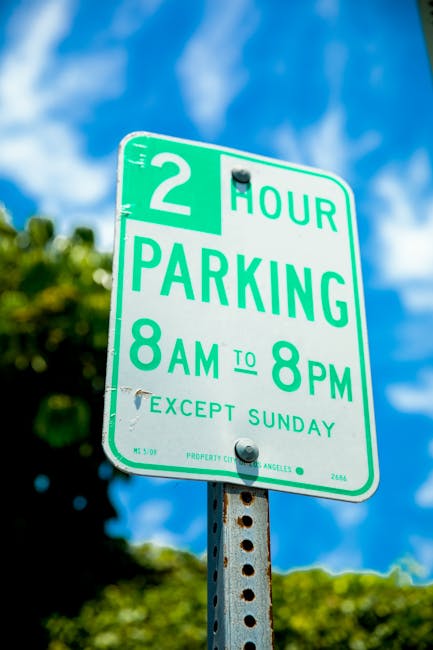
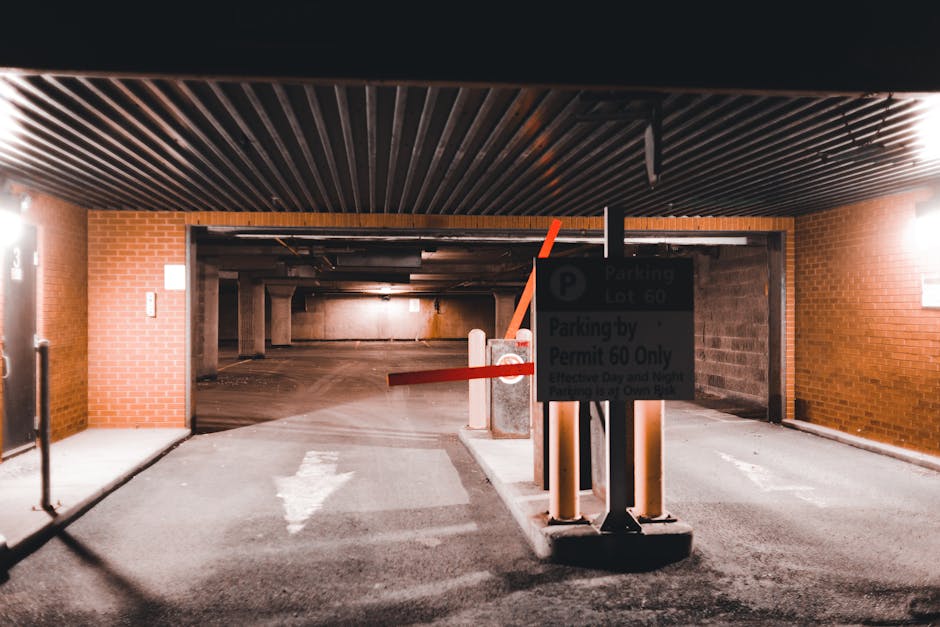
Box Hill removals company access rules and parking permits
Moving in Box Hill can look simple on a map and feel very different at street level. One minute you're dealing with a neat suburban road, the next you're checking for narrow access, timed restrictions, shared driveways, turning space, and whether the removal van can legally stop anywhere near the front door. That is exactly why Box Hill removals company access rules and parking permits matter so much. Get them right, and the day flows. Get them wrong, and you can lose time, rack up stress, and end up hauling boxes farther than anyone wants to on moving day.
This guide breaks the whole thing down in plain English. You'll learn how access checks work, why parking permits can make or break a move, what to ask your removals team, and how to avoid the usual headaches. Truth be told, the most expensive moving mistake is often not the packing. It's the parking.
Table of Contents
- Why access rules and parking permits matter
- How the process works
- Key benefits and practical advantages
- Who needs this and when it makes sense
- Step-by-step guidance
- Expert tips for better results
- Common mistakes to avoid
- Tools, resources and recommendations
- Law, compliance, standards and best practice
- Options and comparison
- Case study or real-world example
- Practical checklist
- Conclusion
- Frequently asked questions
Why Box Hill removals company access rules and parking permits Matters
Access rules are the practical limits that govern how a removal team can reach your property safely and legally. That includes road width, height restrictions, parking controls, permit zones, loading bays, single yellow lines, private roads, shared courtyards, gated entrances, and the amount of space needed for a truck or van to unload. Parking permits are the permissions that let a vehicle stop where it otherwise might not be allowed to wait, load, or unload.
In Box Hill, those details matter because residential streets, hills, and mixed housing layouts can all complicate a move. A van that seems perfectly suited to the job may still struggle if it cannot park close enough. And if a larger vehicle is used, space becomes even more precious. Nobody enjoys a chain of people carrying wardrobes up and down the pavement because the truck had to sit three houses away. It's tiring, slow, and frankly a bit daft if a little planning would have prevented it.
From a customer perspective, the biggest value is control. Access planning helps protect your schedule, your belongings, nearby neighbours, and your budget. From a removals company perspective, it reduces risk, improves safety, and keeps the job compliant with local rules and property conditions. Everyone wins, or at least everyone has a less frazzled morning.
Expert summary: If your move involves tight streets, controlled parking, flats, or any property with limited turning space, treat access checks and parking permissions as part of the move itself, not an optional extra.
How Box Hill removals company access rules and parking permits Works
The process usually starts before moving day. A good removals company will ask questions about the property, surrounding roads, and the items being moved. That may sound routine, but it is one of the most useful parts of the whole service. A quick conversation can reveal whether the team needs a smaller vehicle, extra movers, a timed arrival, or help arranging parking permission.
Most of the work happens in three layers:
1. Assess the access
The removals team looks at how close the vehicle can get to your front door, whether there is a driveway, whether the road is narrow, and whether turning or reversing would be awkward. They may also consider stairwells, lift access, shared entrances, and whether furniture needs to pass through a tight hallway or around a corner that looks fine until a sofa turns up. That's usually when reality gets cheeky.
2. Check the parking situation
Next comes parking. If the road is unrestricted, the crew may simply park safely and unload. If the area has bays, controlled zones, residents' restrictions, or loading limits, the team may need a permit or a temporary arrangement. In some cases, the client must apply in advance. In others, the moving company may advise on the best approach or provide parking guidance.
3. Match vehicle and crew to the location
Access and parking both influence vehicle size and crew size. A bulky moving truck is great when there is room to use it. Not so great when the road is tight and the nearest legal parking spot is awkward. A smaller van, a shuttle system, or a man and van service may be more practical in some situations. The aim is not just to move things. It is to move them efficiently, safely, and with less faff.
In real terms, that means a removals company may choose a man with van service for a tight-access move, or a larger solution such as house removals when there is enough room for a fuller vehicle setup. The point is to fit the move to the street, not force the street to fit the move.
Key Benefits and Practical Advantages
Good access planning is not just about avoiding fines. It changes the quality of the whole move.
- Less time wasted: A van parked close to the property cuts carrying time and keeps the schedule moving.
- Lower risk of damage: Shorter carry distances usually mean fewer knocks against walls, doors, banisters, and parked cars.
- Better safety: Clear loading areas reduce trip hazards and improve visibility for movers and pedestrians.
- Cleaner communication: Everyone knows where the vehicle goes, what time it arrives, and what space is needed.
- Fewer neighbour issues: Thoughtful parking reduces friction in busy residential streets. And that matters more than people expect.
There is also a cost angle. If access is difficult and no one flags it early, the move may take longer than planned. More time usually means a higher bill, especially if the team has to make multiple carries or wait for a legal parking space to open up. On the other hand, a well-planned move tends to feel calmer and more professional. You notice the difference the moment the first box comes out and the truck is already exactly where it should be.
Who This Is For and When It Makes Sense
Almost anyone moving in Box Hill should think about access and parking, but some people need it more than others.
It makes the most sense if you are:
- moving from or to a flat with limited street access
- living on a narrow road, cul-de-sac, or hill with restricted turning space
- in a property with residents-only parking or permit bays
- moving on a busy day when spaces are likely to be scarce
- handling bulky furniture, appliances, or fragile items that need careful carrying
- organising office removals where access to loading bays or entrances is controlled
It is also especially useful for anyone moving with children, pets, elderly relatives, or a tight handover window. A delayed vehicle can throw everything off. One late arrival and suddenly the kettle is still packed, the keys are in a pocket somewhere, and the neighbour is wondering why a removal van is idling across the road. Not ideal.
If you're not sure whether you need extra planning, ask yourself a simple question: can a large vehicle stop close enough to the property without breaking any parking rule or blocking access? If the answer is anything other than a confident yes, plan ahead.
Step-by-Step Guidance
Here is a practical way to handle Box Hill removals company access rules and parking permits without overcomplicating it.
- Walk the route from kerb to property. Look for slopes, kerbs, steps, narrow gates, overhanging branches, bollards, and anything that could slow the crew down.
- Measure the basics. Estimate the width of the road, the available parking space, and whether a larger removal van could safely position itself nearby.
- Check local parking controls. Look at resident bays, time limits, loading restrictions, single or double yellow lines, and any signage near the property.
- Speak to your removals company early. Give them honest detail. If access is awkward, say so. If there is a steep driveway or shared entrance, mention it. No one likes surprises delivered at 8 a.m.
- Decide whether a permit is needed. In some cases, the homeowner, tenant, or managing agent must arrange parking permission in advance. In others, the company may recommend how to manage the load safely.
- Confirm the vehicle plan. Small van, large truck, shuttle runs, or multiple trips? The right choice depends on parking and access, not just the number of boxes.
- Prepare the property. Reserve space where possible, keep entrances clear, and tell neighbours if the street may be busy. A little courtesy goes a long way.
- Keep documents handy on moving day. If any permit confirmation, building instructions, or access codes are needed, have them ready before the crew arrives.
That sequence sounds simple because, mostly, it is. The trick is doing it early enough to avoid last-minute improvisation. The morning of the move is not the time to discover that the only legal parking bay is half a street away.
Expert Tips for Better Results
Over the years, one pattern comes up again and again: the smoothest moves are the ones where access is treated as a planning issue, not a day-of issue.
Give the company the whole picture
Tell them about the awkward things too. The narrow alley. The communal gate. The loading bay that disappears after 10 a.m. The slightly overgrown hedge that always catches handles. These are not minor details. They shape the job.
Think like the person carrying the sofa
Could one person carry a mattress down the stairs without turning sideways? Can a trolley roll over the threshold? Will the route be muddy if it rains overnight? Small issues become bigger when someone is carrying a fridge.
Use smaller access notes, not just general descriptions
Saying "parking is okay" helps less than saying "there is one legal bay directly outside before 11 a.m., then resident-only restrictions." Specifics matter. They really do.
Plan around the time of day
Early starts often help with parking, but not always. School-run traffic, market days, commuter flow, and bin collections can all affect the street. A quiet road at 7:30 can become a headache by 9:00. The timing changes everything.
Ask for a backup plan
If the ideal parking spot is unavailable, what happens next? Does the team wait, circle back, or use a different loading method? A good removals company will usually have a practical fallback. That bit of flexibility saves a lot of stress.
And one more thing: do not assume every removals company handles access the same way. Some are very proactive, others less so. If you want confidence, ask direct questions. What vehicle will be used? Where will it park? Who arranges the permit? Simple enough, but people often skip these basics and then wonder why the day felt chaotic.
Common Mistakes to Avoid
These are the mistakes that tend to cause delays, extra effort, or avoidable frustration.
- Leaving parking too late: A permit or parking arrangement arranged too close to moving day can fall through easily.
- Underestimating access problems: A road that looks fine on foot may not be suitable for a removal vehicle.
- Not telling the removals company about restrictions: Hidden details like low tree branches, timed gates, or narrow turns matter a lot.
- Assuming "just unload quickly" will be acceptable: On some streets or in some zones, stopping briefly is still not allowed.
- Blocking neighbours or emergency access: It is a fast way to create complaints and possible enforcement trouble.
- Forgetting building rules: Flats and managed blocks can have separate access conditions that are easy to miss.
- Choosing vehicle size by guesswork: Bigger is not always better. Sometimes it is just harder to place.
A lot of these errors come from optimism. We all do it. You look at the street and think, "That should be fine." Then moving day arrives, the road is full, and everyone is standing there with a wardrobe and a growing sense of regret. Best to avoid that scene if you can.
Tools, Resources and Recommendations
You do not need a pile of specialist equipment to plan access well, but a few simple tools make life easier.
- Phone camera: Take pictures of the street, parking bays, gates, and any tricky access points.
- Notes app: Keep a simple list of restrictions, codes, and timings.
- Basic tape measure: Helpful for doorways, stair widths, and the route from the pavement to the house.
- Property handover documents: These often include access instructions, fob details, or parking notes for flats and managed buildings.
- Quote and planning pages: A service like pricing and quotes can help you compare options once you know whether a smaller or larger move setup is needed.
It can also help to browse the wider range of removal services if your move involves more than one challenge. For example, a tricky access point plus fragile furniture might call for a slightly more tailored approach than standard van-and-box work.
If your home contains items that need extra care, such as glass cabinets, antiques, or heavy upright instruments, specialised services like furniture removals or piano removals may be worth considering. Those items can be awkward enough on their own. Add poor parking to the mix and the job becomes noticeably harder.
Law, Compliance, Standards and Best Practice
Parking and access rules are not just a moving-day nuisance. They are tied to road safety, local parking controls, property management conditions, and in some cases health and safety responsibilities. The exact rules can vary depending on the road, the property type, and the local authority arrangements in place. So while general best practice is easy to describe, the specific legal position should always be checked for the exact address.
In practical terms, a reputable removals company should behave sensibly and carefully around the following:
- Road safety: Vehicles should not be positioned in a way that creates a hazard or blocks visibility.
- Safe loading: Movers should have enough room to handle items without rushing or lifting in unsafe conditions.
- Property protection: Shared halls, walls, doors, and stairwells should be protected where appropriate.
- Local parking restrictions: Permits, loading times, and controlled spaces must be respected.
- Insurance and risk awareness: Good planning supports safer handling and fewer claims issues.
For peace of mind, it is sensible to check policies such as health and safety policy and insurance and safety before booking. If you are comparing providers, those pages tell you a lot about how seriously the company takes risk management. Not glamorous, perhaps, but very useful.
Best practice is simple: confirm access early, document restrictions clearly, and avoid making assumptions about what parking will be available on the day. That cautious approach is usually the safest one, and in moving, safe often means efficient too.
Options, Methods, or Comparison Table
Different moves need different access strategies. Here is a simple comparison to help you decide what fits your situation.
| Option | Best for | Pros | Watch out for |
|---|---|---|---|
| Standard removal truck | Homes with wider roads and clear parking | Efficient for larger loads, fewer trips | Can be awkward on tight streets or in permit zones |
| Smaller van | Narrow roads, flats, or limited parking | Easier to position and manoeuvre | May need more trips if the load is large |
| Man and van service | Smaller households, student moves, partial moves | Flexible, often quicker to arrange | May not suit very large furniture sets |
| Multi-vehicle or shuttle approach | Complicated access or limited loading space | Good for hard-to-reach properties | Requires tighter coordination and timing |
If you are unsure which method is right, think about two questions: how close can the vehicle legally park, and how much can be carried safely in one go? Those two answers usually point you toward the best option.
For smaller or more flexible jobs, a man and van or removal van may be the cleaner fit. For larger family homes, you may need something closer to a full-service home moves setup. There is no prize for using a bigger vehicle than the street can reasonably handle.
Case Study or Real-World Example
Imagine a move from a first-floor flat on a residential road in Box Hill. The street has limited daytime parking, shared access to the building, and a narrow stretch near the entrance where a larger truck would be awkward. The initial instinct might be to book the biggest vehicle possible and hope for the best. But hope is not a parking plan.
Instead, the moving day is planned around access. The customer shares photos of the street and entrance in advance. The removals company suggests a smaller vehicle, confirms that the loading space is sufficient, and advises on the best time to arrive. Because the parking setup is thought through early, the team can unload close to the front door instead of parking down the road. The job is faster, the stair carry is shorter, and the flat is cleared without unnecessary drama.
There is a second benefit that people often miss: the move feels calmer. You can hear the trolley wheels on the pavement, boxes are labelled properly, and there is no rush to improvise. That matters. A move is already disruptive enough without turning the first hour into a puzzle.
Of course, not every move goes neatly. Sometimes a permit is delayed, sometimes a bay is occupied, sometimes a neighbour's car stays put. The difference is that a good plan leaves room for those hiccups. It is a bit like carrying an umbrella in a British spring. You hope not to need it, but you are glad it is there.
Practical Checklist
Use this checklist in the days before your move.
- Confirm the full address and any flat, block, or building access instructions
- Check whether the road has parking restrictions or permit zones
- Ask whether a permit or temporary parking arrangement is needed
- Share photos of the street, entrance, and loading area with the removals company
- Measure obvious tight spots such as gates, stairwells, and doorways
- Tell the company about large, heavy, or fragile items
- Decide whether a smaller van or larger truck is more suitable
- Arrange access codes, keys, fobs, or concierge details in advance
- Keep the loading area clear wherever possible
- Let neighbours or managing agents know if the move may affect access
- Double-check timings the day before moving day
- Have a backup plan if the best parking space is taken
Quick takeaway: the earlier you sort the access picture, the easier the move becomes. It is one of those things that seems obvious only after the boxes are stacked in the hallway.
Conclusion
Box Hill removals company access rules and parking permits are not a side issue. They shape the speed, safety, and smoothness of the whole move. When access is planned properly, your removals team can work efficiently, your items are handled with less risk, and you are far less likely to face avoidable delays or frustration.
The best approach is simple: check the street, share the details early, choose the right vehicle, and make sure any parking permission is sorted before moving day arrives. That kind of planning does not just save time. It makes the day feel manageable. And honestly, that is half the battle.
If you want a move that feels organised from the first box to the last chair, start with access and parking. The rest tends to follow much more smoothly than you might expect.
Get a free quote today and see how much you can save.
Frequently Asked Questions
Do I need a parking permit for a removals van in Box Hill?
Sometimes, yes. It depends on the street, local restrictions, and whether the vehicle can legally stop near the property without using a controlled bay or permit space. Always check the exact address rather than assuming a quick unload will be fine.
Who is responsible for arranging the parking permit?
That depends on the property and the provider. In many cases, the customer arranges it, but a removals company may advise on what is needed or how to handle the booking. Ask early so there is no confusion later.
What counts as poor access for a removals company?
Narrow roads, limited turning space, steep drives, shared entrances, long carry distances, low bridges, and tight stairwells all count as access challenges. Even a road that looks wide enough can be awkward if parking is heavily restricted.
Can a removal truck stop on yellow lines for loading?
Not automatically. Loading rules vary by location and timing, so you should not rely on that assumption. The removals company should check the specific parking conditions for the street.
Is a smaller van better than a larger truck for tight Box Hill streets?
Often, yes. A smaller van can be easier to position close to the property, which reduces carrying distance and can speed up the move. That said, the best vehicle still depends on the size of the load.
How far in advance should I sort access and parking?
As early as possible. A few days may be enough in some cases, but earlier is safer, especially if permits, building rules, or managed parking are involved. Waiting until the last minute can create unnecessary stress.
What should I tell the removals company about my property?
Share anything that affects the move: road width, parking limits, stairs, lift access, gate codes, shared driveways, and any awkward items. A few photos help a lot. Really, a lot.
Do flats need different access planning from houses?
Usually, yes. Flats often involve shared entrances, lifts, communal corridors, and building rules. Even when the street access is fine, the internal route can still be the tricky part.
What happens if the parking space is taken on moving day?
A good company will usually have a fallback, such as waiting briefly, using an alternative legal space, or adjusting the unloading setup. This is why backup planning matters. It saves the day from going sideways.
Can access problems increase the cost of my move?
They can, because awkward access may require more time, extra carrying, or a different vehicle setup. The best way to avoid surprise cost is to describe the location accurately before booking.
Should I reserve space outside my house for the van?
If it is legal and sensible to do so, yes, that can help. But the arrangement should always follow the local rules. Never block traffic or ignore permit conditions just to make the move easier.
How do I know whether my street is suitable for a removals truck?
Look at the available width, turning room, parking controls, and nearby obstructions. If you are unsure, photos and a quick conversation with the removals team are usually enough to flag any issues before moving day.
Is same-day moving possible if parking is complicated?
It can be, but the logistics need to be tight. Services such as same-day removals are often more successful when access is confirmed early, because there is less room for last-minute delays.
What if I am moving furniture only, not a whole house?
Then access still matters. Even a single sofa or cabinet can be difficult if the van cannot park close enough. For that kind of job, furniture pick-up or furniture-focused moving help may be a better fit.
How can I make moving day easier for everyone involved?
Communicate early, keep the entrance clear, confirm parking details, and have a sensible backup plan. Little things help more than you'd think. A calm start at the kerb often means a calmer move all the way through.